
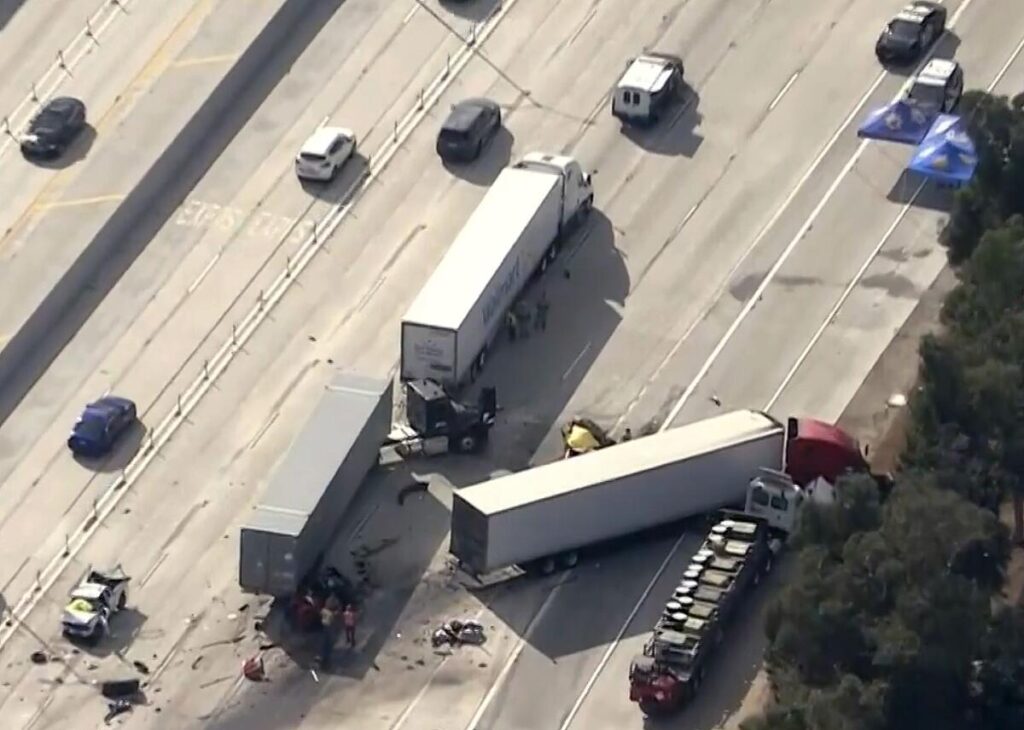
In serious commercial vehicle cases, the difference between controlled exposure and uncontrolled exposure is frequently the quality of litigation support and the quality of the medical record evidence developed early. When litigation supported medical histories are clarified, and counsel can make early, defensible decisions on liability and damages.
At R&G Medical Legal Solutions, we see a consistent pattern: the liability story may start at the scene, but the exposure story is in the medical chart. A transportation defense program that treats medical records as a late stage “damages task” is leaving leverage on the table.
Litigation support in transportation defense is not administrative. It is an evidence command function. The purpose is to connect what happened at the scene to admissible proof in the file, and to connect what is alleged medically to what is documented clinically. The first obligation is speed with structure. Within hours, someone must own the checklist while defense counsel focuses on legal exposure, client reporting, and immediate strategic choices. A defined activation trigger—fatality, catastrophic injury, hazmat involvement, media attention, impairment allegations, or a high-risk venue—prevents hesitation and ensures early actions are consistent across matters.
But transportation cases do not live on crash evidence alone. They live on injury allegations. That is where medical record evidence becomes decisive. Litigation support should initiate medical record retrieval early. The defense needs baseline records to evaluate pre-existing conditions, prior similar complaints, and prior imaging. It also needs early post-crash records—EMS, ED, trauma admission notes—because these often contain the most contemporaneous symptom reports and can reveal gaps between the alleged mechanism and documented findings.
The most useful litigation support deliverables in this area are medical chronologies and objective “injury proof maps.” Medical chronology is not just a summary. It is a dated, cited sequence that connects complaint onset, clinical findings, imaging, treatment decisions, and functional status over time. An injury proof map is a structured list of the claimed injuries matched against objective support: imaging, clinical exams, specialist notes, and documented impairment. Together, these tools allow defense counsel to evaluate three key questions early: What is new versus pre-existing? What treatment is documented findings versus driven by complaint escalation?
Medical record evidence is also the foundation for causation and apportionment strategies. When plaintiffs allege traumatic herniations, spinal injuries, or neurological deficits, pre-incident imaging and prior treatment history can change the case valuation dramatically. When plaintiffs allege chronic pain syndromes or diffuse impairment, the record often reveals prior symptom patterns, mental health overlays, or alternative etiologies. Litigation support cannot make medical judgments for counsel, but it can make the record usable so counsel and retained experts can address these issues with specificity rather than general skepticism.
Medical records also support liability defenses in ways that early documentation may contradict plaintiff narratives about immediate pain, loss of consciousness, or functional incapacity. EMS and ED records may reflect normal neurological exams, full range of motion, or delayed reporting of key symptoms. Follow-up records may show gaps in treatment, inconsistent histories, noncompliance, or intervening events. These details matter because they shape credibility, damage, and sometimes causation. A disciplined litigation support process ensures those details are identified and presented to counsel in a usable format.
Regulatory compliance and medical evidence also intersect. Post-accident testing, return-to-duty issues, and safety protocols can appear in both operational records and medical documentation. Litigation support should build audit-ready compliance packets and track medical releases and work status documentation. In transportation defense, a wage loss claims unsupported by consistent work restrictions, documented functional limitations, or credible treatment trajectory is a damages target—but only if the defense has the records organized early enough to use them.
Transportation defense is a discipline of early preservation and structured proof, and medical record evidence is a central pillar of that proof. At R&G Medical Legal Solutions, we help defense teams bring that discipline to transportation matters by organizing medical and case records, building usable timelines, and supporting an evidence-first posture that can stand up under scrutiny. If you want to strengthen your transportation defense processes, around early case assessment, medical damages analysis, and defensible file organization, visit rngmedical.com to learn more about our litigation support services.